
Power Strip for Home Office
Benefits of Using a Power Strip
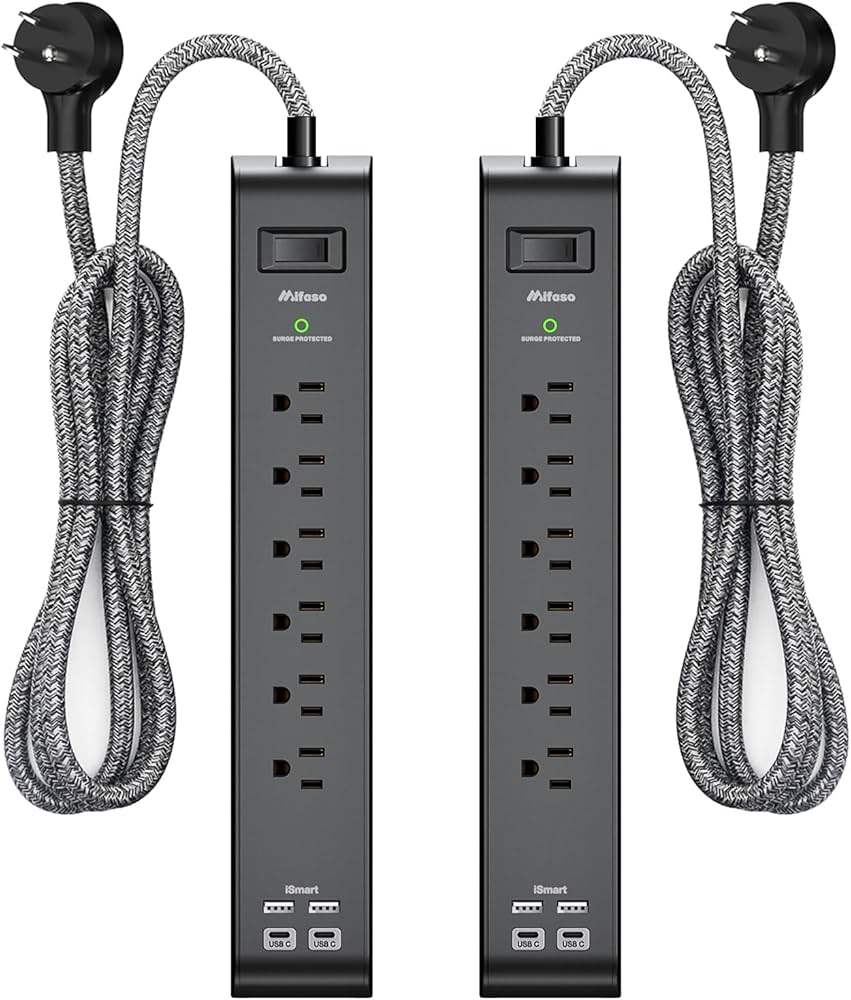
Using a power strip in your home office can have several benefits. For one, it can help keep your workspace organized by providing a single location for all your devices to be plugged into. This can help reduce clutter and keep your desk or floor clear of cords and cables. Additionally, a power strip can provide protection for your devices against power surges and spikes, which can damage or destroy your equipment. Many power strips also come with built-in surge protectors, which can absorb or divert excess energy to prevent damage to your devices.
Types of Power Strips
There are several types of power strips available, each with its own unique features and benefits. Some common types of power strips include: * Basic power strips: These are the most common type of power strip and provide a simple way to plug multiple devices into a single outlet. * Surge protector power strips: These power strips come with built-in surge protectors, which can provide protection for your devices against power surges and spikes. * Smart power strips: These power strips come with advanced features such as remote control, scheduling, and energy monitoring. * USB power strips: These power strips come with built-in USB ports, making it easy to charge your mobile devices.

To keep your workspace organized, it's essential to have the right tools, such as Trays TidyWorkplaceLab, which can help you maintain a clutter-free environment and boost your productivity.
Choosing the Right Power Strip
When choosing a power strip for your home office, there are several factors to consider. One of the most important factors is the number of outlets you need. Consider the number of devices you need to plug in and choose a power strip with enough outlets to accommodate them. You should also consider the type of devices you need to plug in and choose a power strip with the right type of outlets. For example, if you need to plug in a lot of USB devices, consider a power strip with built-in USB ports.
Consider the Length of the Cord
Another factor to consider when choosing a power strip is the length of the cord. A longer cord can provide more flexibility and make it easier to place the power strip in a convenient location. However, a longer cord can also be more prone to damage and can create a tripping hazard. Consider the size of your home office and the location of your devices when choosing a power strip with the right cord length.
Consider the Safety Features
Safety features are also an important consideration when choosing a power strip. Look for a power strip with built-in surge protection, which can provide protection for your devices against power surges and spikes. You should also consider a power strip with overload protection, which can prevent the power strip from overheating and causing a fire.
Features to Look for in a Power Strip
When shopping for a power strip, there are several features to look for. One of the most important features is surge protection, which can provide protection for your devices against power surges and spikes. You should also look for a power strip with a high joule rating, which can indicate the level of protection provided. Other features to consider include: * USB ports: These can make it easy to charge your mobile devices. * Remote control: This can provide a convenient way to turn your devices on and off. * Scheduling: This can allow you to schedule your devices to turn on and off at specific times. * Energy monitoring: This can provide information about the energy usage of your devices.
Installation and Maintenance
Installing and maintaining a power strip is relatively straightforward. To install a power strip, simply plug it into a nearby outlet and plug your devices into the power strip. Make sure to follow the manufacturer's instructions and take any necessary safety precautions. To maintain a power strip, make sure to check it regularly for signs of wear and tear, such as frayed cords or damaged outlets. You should also make sure to replace the power strip if it becomes damaged or is no longer providing adequate protection for your devices.
Common Mistakes to Avoid
When using a power strip, there are several common mistakes to avoid. One of the most common mistakes is overloading the power strip, which can cause it to overheat and potentially start a fire. To avoid this, make sure to follow the manufacturer's instructions and do not plug in more devices than the power strip is designed to handle. You should also avoid using a power strip with damaged or frayed cords, as this can create a fire hazard.
Conclusion
A power strip is an essential component of a well-functioning home office, providing a convenient and safe way to plug in multiple devices. When choosing a power strip, consider the number of outlets you need, the type of devices you need to plug in, and the safety features provided. By following the tips and guidelines outlined in this article, you can find the right power strip for your home office and keep your devices safe and secure.
FAQs
What is a power strip?
A power strip is a device that allows you to plug multiple devices into a single outlet, keeping your workspace organized and clutter-free.
What are the benefits of using a power strip?
Using a power strip can help keep your workspace organized, provide protection for your devices against power surges and spikes, and make it easy to charge your mobile devices.
Can I use a power strip with a lot of devices?
Yes, but make sure to follow the manufacturer's instructions and do not plug in more devices than the power strip is designed to handle.
How do I choose the right power strip for my home office?
Consider the number of outlets you need, the type of devices you need to plug in, and the safety features provided.
What safety features should I look for in a power strip?
Look for a power strip with built-in surge protection, overload protection, and a high joule rating.
How do I install and maintain a power strip?
To install a power strip, simply plug it into a nearby outlet and plug your devices into the power strip. To maintain a power strip, make sure to check it regularly for signs of wear and tear and replace it if it becomes damaged or is no longer providing adequate protection for your devices.